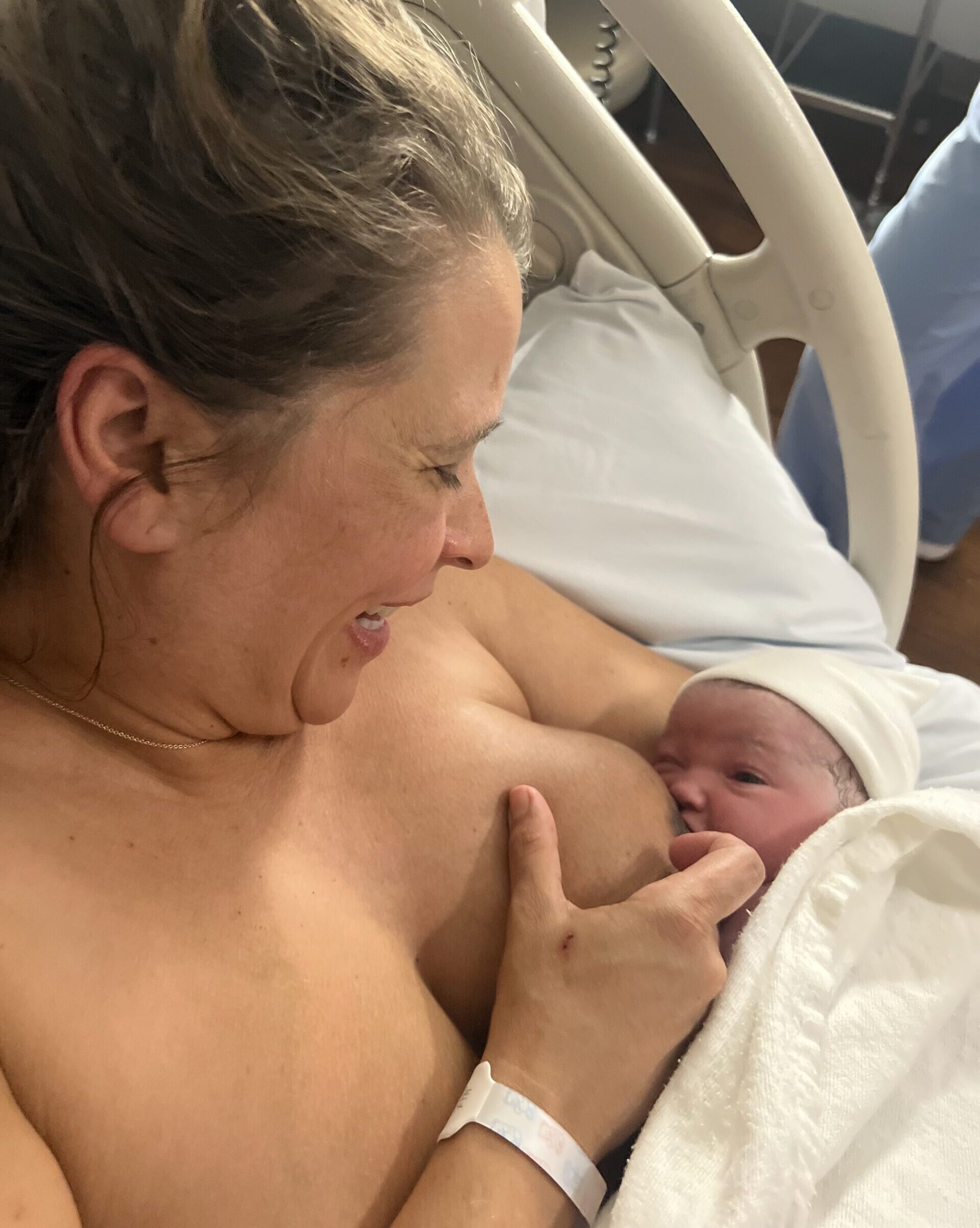





New research suggests that breastfeeding – whether exclusive or partial – may be associated with lower rates of maternal depression and anxiety up to a decade after pregnancy.
The findings come from a 10-year observational study entitled ‘Breastfeeding and later depression and anxiety in mothers in Ireland: a 10-year prospective observational study’ published in BMJ Open. The findings offer insights into the possible long-term mental health benefits for mothers who breastfeed.
Long-Term Mental Health: A Closer Look
The study followed 168 second-time mothers who participated in the ROLO Longitudinal Birth Cohort. Researchers tracked their breastfeeding histories and mental health outcomes at regular check-ups over 10 years, with an average maternal age of 42 by the final follow-up.
Nearly three-quarters of the participants reported having breastfed for at least one day, with an average duration of around 30.5 weeks of any breastfeeding. More than a third had cumulative breastfeeding periods of 12 months or more.
What the Findings Show
At the 10-year point, 13% of women reported depression or anxiety. The analysis found that women who had breastfed – and especially those with longer durations – were less likely to report depression or anxiety, even after accounting for factors like physical activity and lifestyle. Importantly, each additional week of exclusive breastfeeding was associated with a small reduction in the likelihood of later depression and anxiety.
Each additional week of exclusive breastfeeding was associated with a small reduction in the likelihood of later depression and anxiety.
The researchers caution that, as an observational study, it cannot prove that breastfeeding causes better long-term mental health – but it does raise compelling questions about how breastfeeding might relate to lasting emotional wellbeing.
Why This Matters
Postnatal depression and anxiety are well-recognised challenges in the first year after childbirth, but less is known about potential longer-term effects on mental health. These new findings suggest that the benefits associated with breastfeeding may extend well beyond infancy, potentially offering protective effects for mothers years later.
The authors also note the importance of supporting breastfeeding – not just for infants’ health but potentially for mothers’ long-term wellbeing – while also acknowledging that a range of social, economic and biological factors influence both breastfeeding success and mental health outcomes.
They conclude: “We know that improving breastfeeding rates and duration can improve lifetime health outcomes, reducing population level disease burden and resulting in significant healthcare savings.
“The possibility that breastfeeding could further reduce the huge burden of depression on individuals, families, healthcare systems and economies only adds to the argument for policymakers to improve breastfeeding support.”
Takeaways for Families & Support Networks
- The study adds to evidence that breastfeeding may have benefits beyond physical health, potentially supporting emotional wellbeing over the long term.
- Because this was observational research, the associations should be interpreted cautiously – and not used to judge personal feeding decisions.
- These findings reinforce the value of ongoing breastfeeding support for families, both during the early postpartum period and beyond.
References:
McNestry C, O’Reilly SL, Twomey PJ, et al
Breastfeeding and later depression and anxiety in mothers in Ireland: a 10-year prospective observational study
BMJ Open 2026;16:e097323. doi: 10.1136/bmjopen-2024-097323