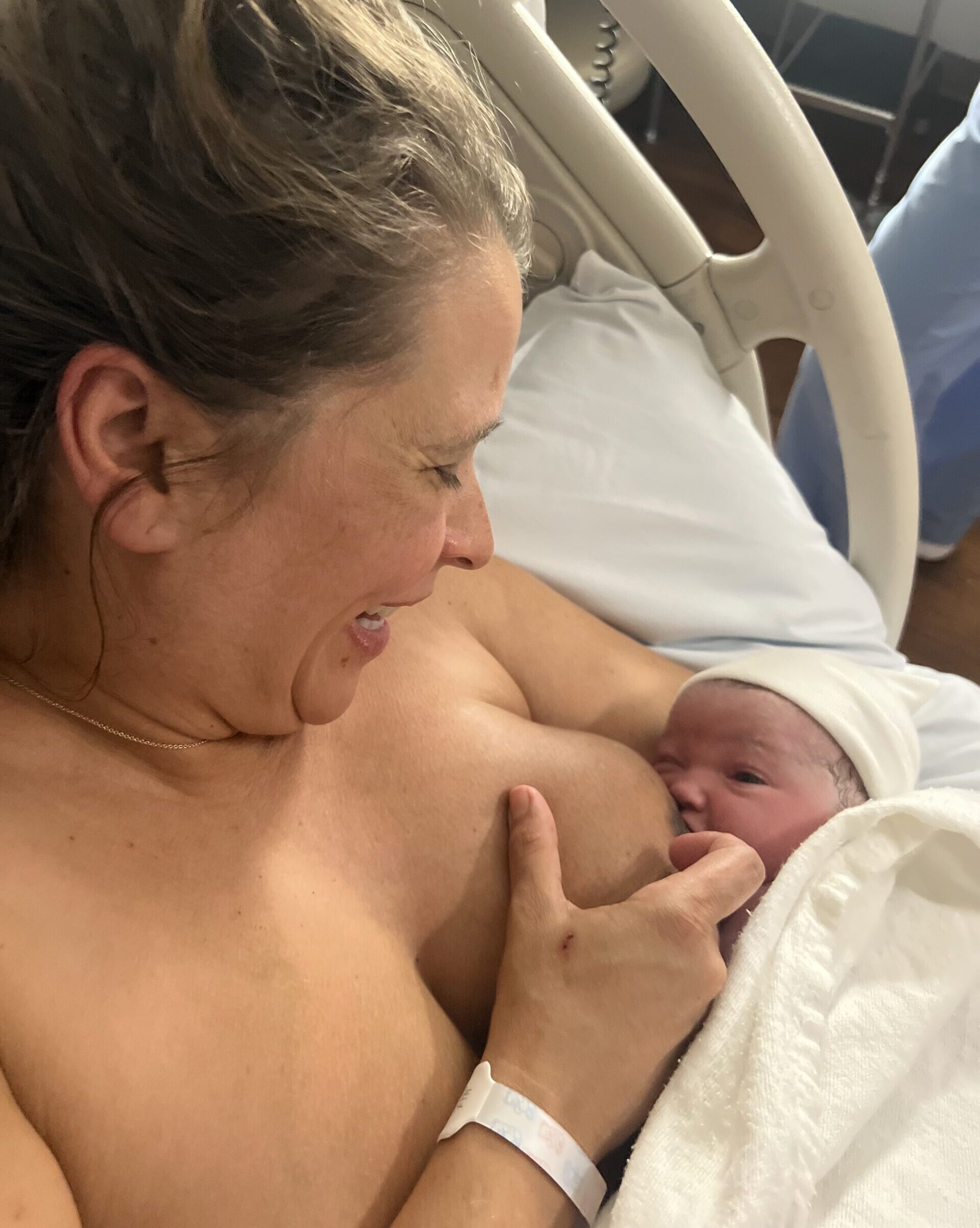





A newly published review in Midwifery is calling attention to significant gaps in how mothers with learning disabilities are supported to make infant-feeding decisions – particularly around breastfeeding.
Researchers Vicky Mitchell, Aileen McFadden and Stephanie Buell from the University of Dundee led the scoping review, which brings together existing research to examine how maternity services currently support – or fail to support – these mothers.
And the message is clear: support must be accessible, autonomy-centred and grounded in parenting rights.
What the Review Found
Significant Gaps in Research and Decision-Making Support
Despite growing awareness of maternity inequalities, research exploring infant-feeding decision-making among mothers with learning disabilities remains limited.
Vicky Mitchell explains:
“Our review found that the literature on maternity care for women with learning disabilities is largely qualitative and highlights significant gaps, particularly regarding infant-feeding decision-making. Findings consistently show that these mothers face barriers to accessing and understanding information, especially around breastfeeding, and require tailored, comprehension-sensitive support.”
While qualitative research offers valuable insight into lived experience, the review highlights the need for more diverse and intervention-based research to strengthen the evidence base.
What Effective, Accessible Support Looks Like
The review doesn’t just identify barriers – it outlines what meaningful support can look like in practice. Infant-feeding information should be presented in ways that are accessible and responsive to individual communication needs.
Vicky Mitchell notes:
“Effective communication, such as simplified language, visual aids, repeated discussions, and extended appointment times, alongside positive informal support networks, can improve breastfeeding initiation and continuation.”
Accessible support requires time, flexibility and recognition that communication needs vary from person to person.
A Rights-Based Framework for Change
Crucially, the review positions infant-feeding support within established legal and human rights frameworks.
Vicky Mitchell continues:
“Our review emphasises that support should be grounded in human rights–based and disability-specific frameworks such as the Equality Act 2010, the United Nations Convention on the Rights of Persons with Disabilities, and the UNICEF UK Baby Friendly Initiative, ensuring accessible, non-discriminatory care.”
Accessible, non-discriminatory maternity care is not simply best practice – it is a legal and ethical obligation.
Tailored Antenatal Education Can Help
The review also highlights the importance of antenatal parenting classes specifically designed for parents with learning disabilities. These can help solidify skills and knowledge in a safe, nurturing environment.
Vicky Mitchell adds:
“We also identify the need for enhanced antenatal education, mandatory disability-focused training for midwives, and participatory research involving mothers with learning disabilities. Overall, more robust, inclusive, and intervention-based research is needed to develop evidence-based policies and practices that empower these women to make informed infant-feeding decisions.”

Why This Matters
The existing literature already explores the maternity care experiences of women with learning disabilities — particularly around postnatal care, understanding maternity and infant-feeding information, experiences of childbirth, and feeding decisions.
What this review makes clear is that we now need to move beyond describing barriers – and towards building inclusive systems that actively remove them.
If breastfeeding support is not accessible, it is not equitable.
Every mother deserves the right to clear information, respectful care, and the autonomy to make informed decisions about feeding her baby.
Citation
Mitchell, V., McFadden, A., & Buell, S. (2026). Exploring influences on infant-feeding decisions among mothers with learning disabilities: A scoping review. Midwifery, 156, 104741.
https://doi.org/10.1016/j.midw.2026.104741