




Before this journey I didn’t even know the term ‘exclusive pumping’ existed.
I later learned that it’s fairly common in America, but here in Northern Ireland I do not know one other person personally who has done it. At the time it wasn’t really presented to me as an option or even a recognised way of feeding, it was just something that accidentally happened?
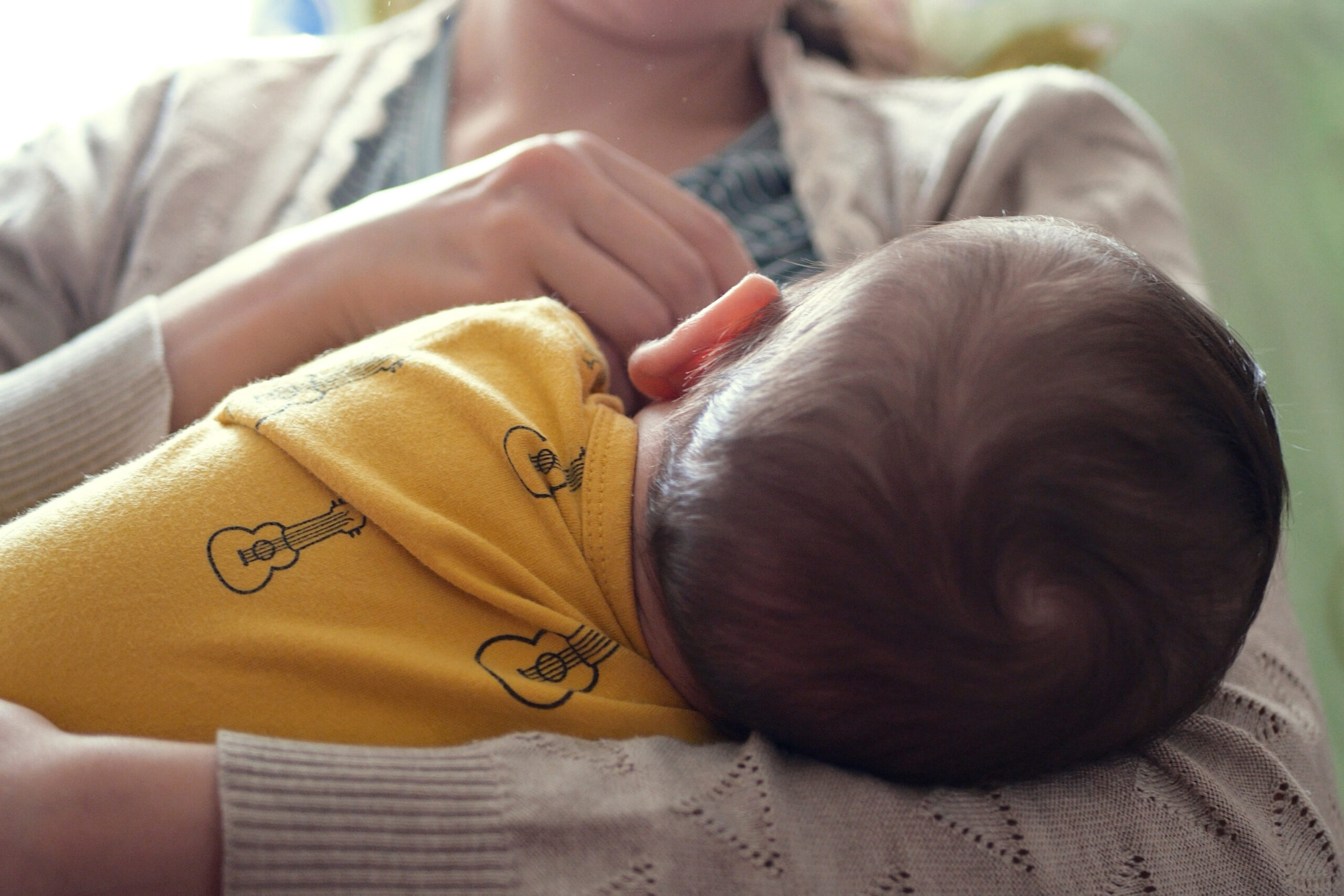
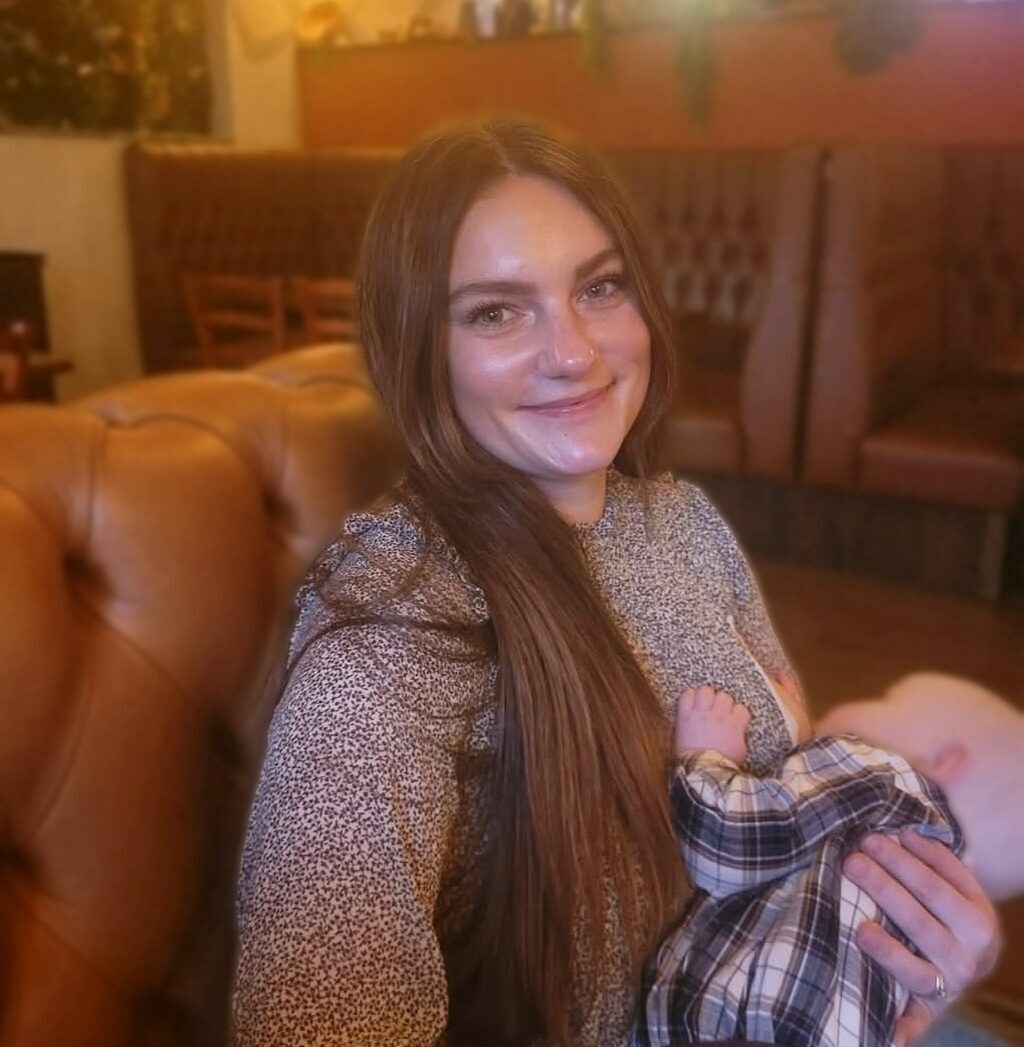
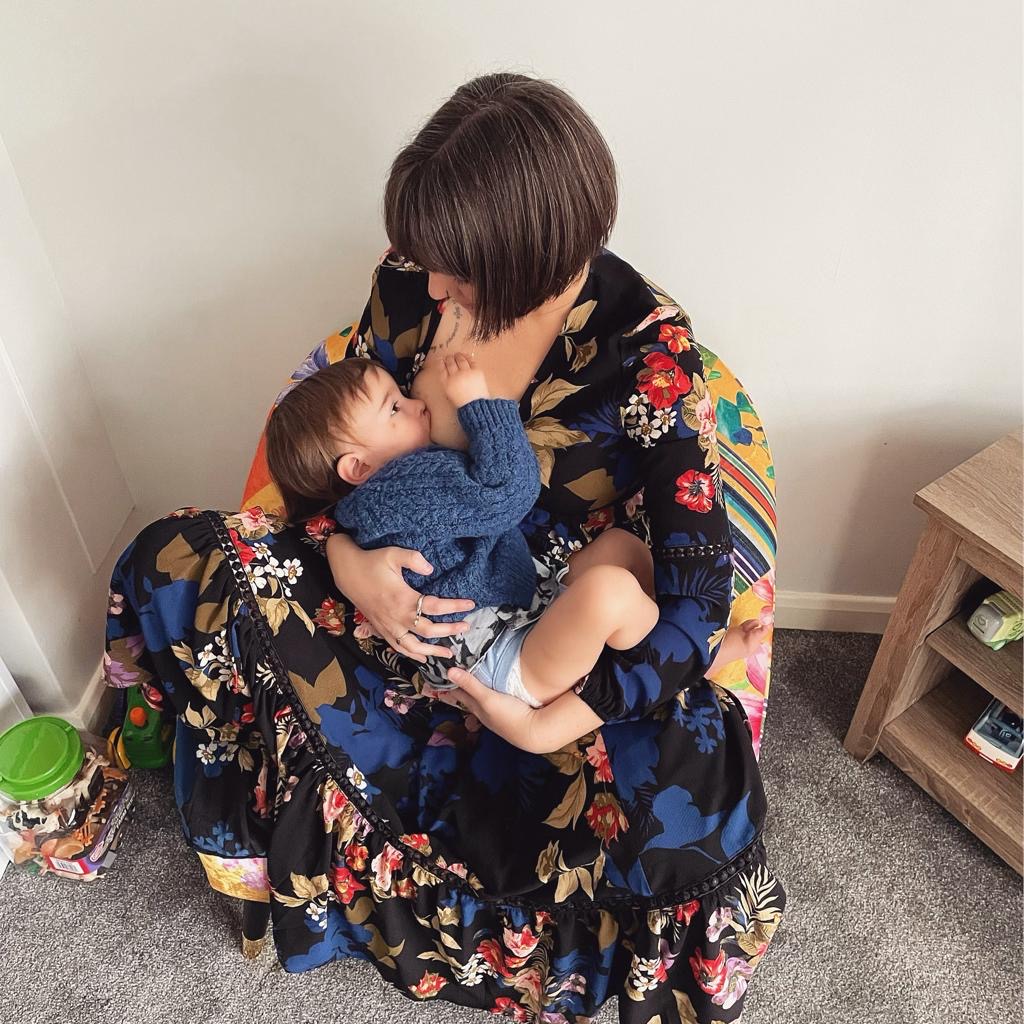
All I wanted to do was breastfeed. It mattered to me more than I realised it would. I didn’t go into pregnancy with a strict plan, but feeding my baby at the breast felt really important to me.
I didn’t go into pregnancy with a strict plan, but feeding my baby at the breast felt really important to me.
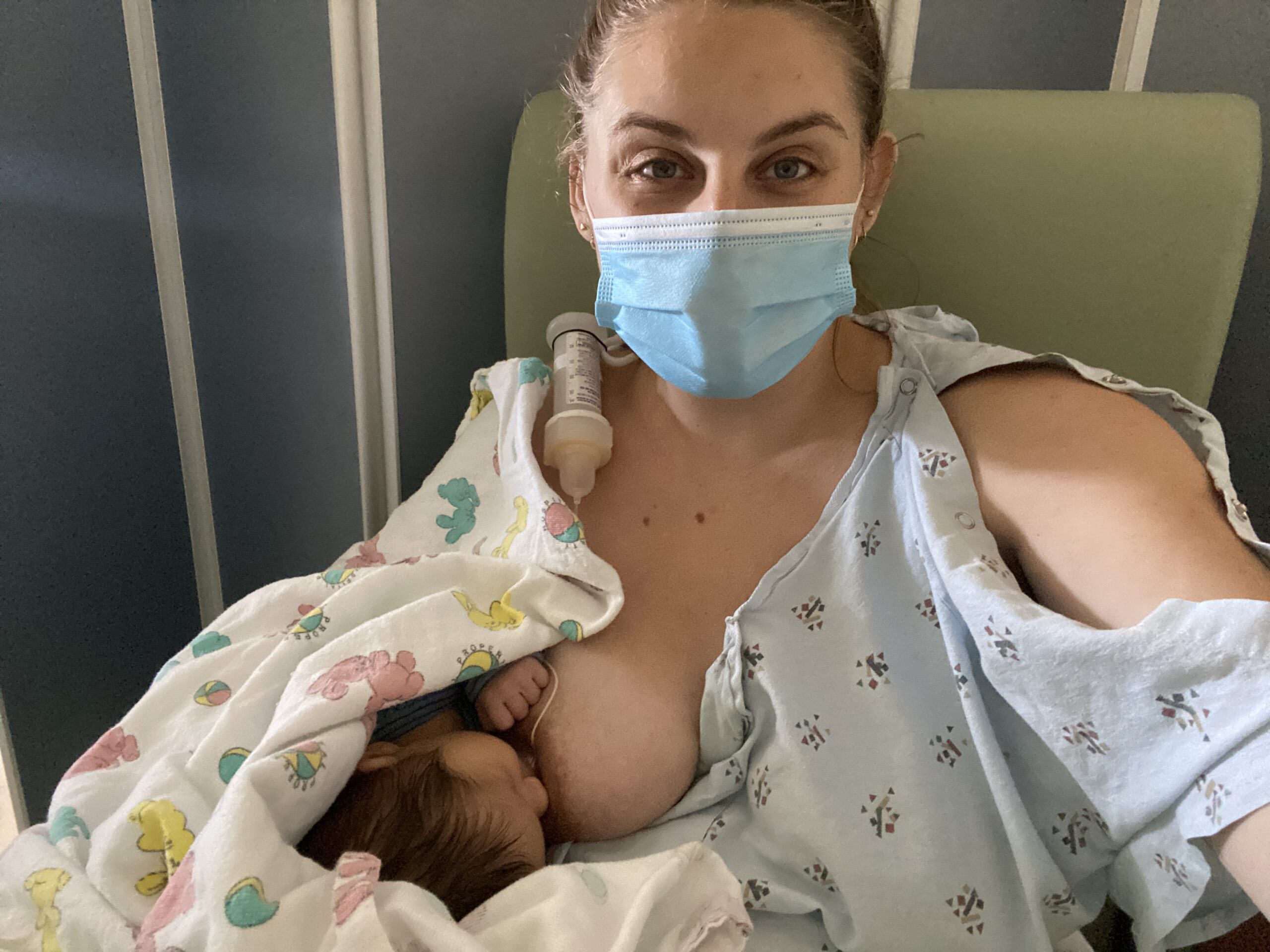
My baby was admitted to NICU shortly after birth and needed a feeding tube. I couldn’t for the life of me get him to latch. Between the wires, the NG tube and not knowing what I was doing – it all felt impossible.
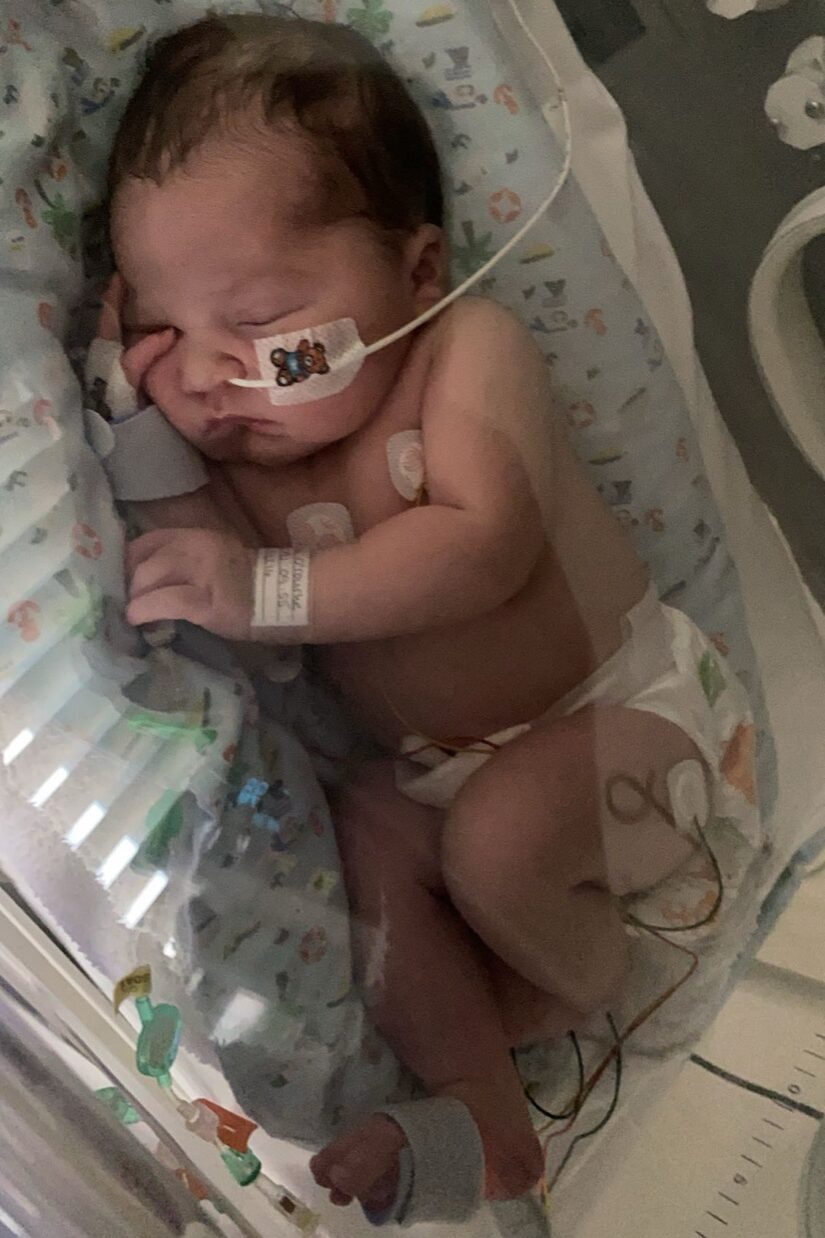
Breastfeeding as I had imagined it just wasn’t possible for us in those early days. Pumping became the way my baby was fed, not because I had chosen it after lots of thought, but because it was what was suggested and worked.
Looking Back, I Should Have Advocated For Myself More
This was during Covid so services were stretched. Staff were under huge pressure and everyone was doing their best in really difficult circumstances. Looking back now, I don’t see it as anyone’s fault and I probably didn’t shout loudly enough either.
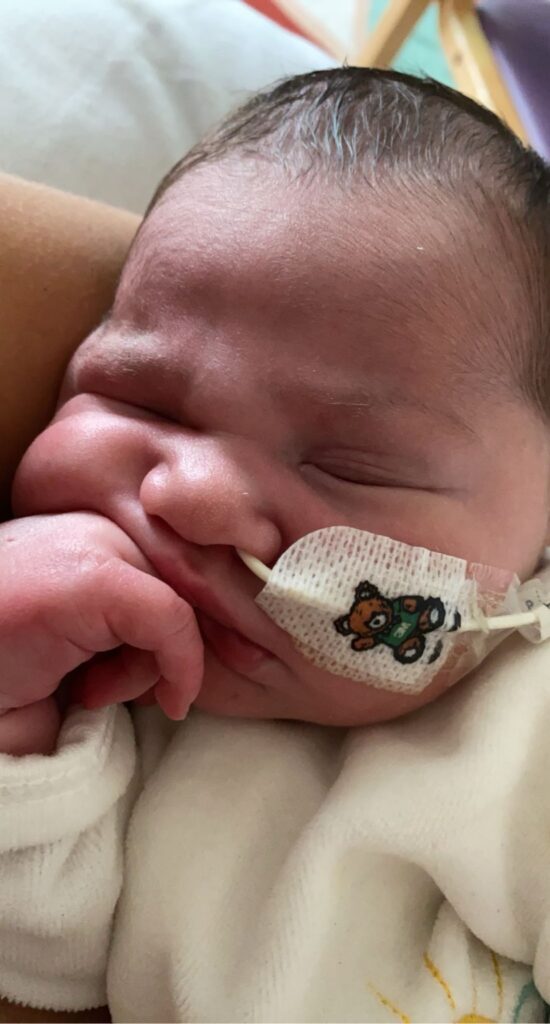
I remember asking my husband to request a specialist (the lactation consultant or someone from the hospital infant feeding team) because I felt completely out of my depth. As a first time mum I had absolutely no clue. I was told “we are all specialists here” and that was the end of the conversation.
I wasn’t allowed to go home from NICU until feeding was established, but I wasn’t really shown what that meant or how to get there. There was no clear plan and very little follow up. I was mostly told to just keep putting him to the breast, even though he clearly wasn’t feeding effectively.
At one point he had no wet nappies for a period of time and my anxiety was through the roof. I remember asking, “can I put the milk into a bottle and give him it, is that an option?” I didn’t even know how to bottle feed, never mind breastfeed.
I didn’t even know how to bottle feed, never mind breastfeed.
Feeding My Baby Became A Numbers Game
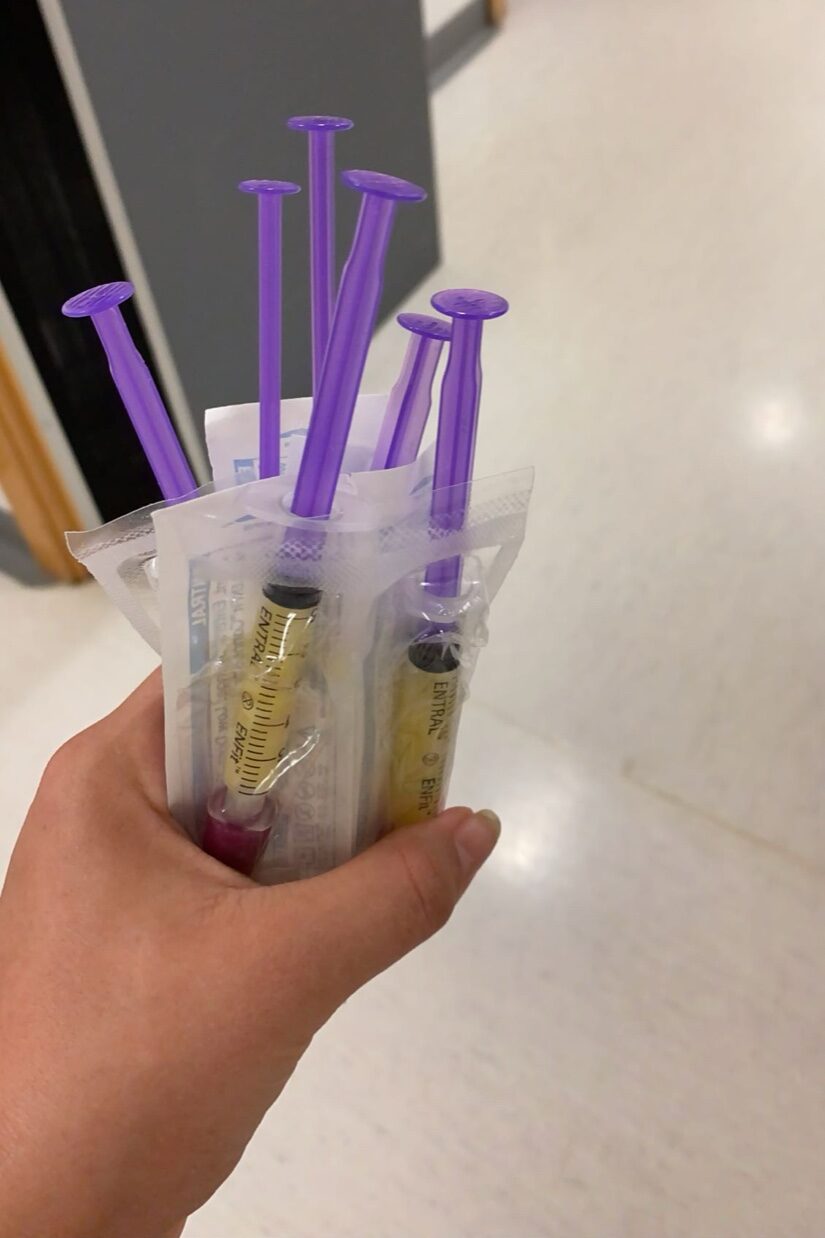
Eventually I was shown how to express my milk and feed him by bottle. Once he was taking milk, we were able to go home. There was no follow up from the feeding team once we were discharged and we just kept going, so pumping became our way of feeding.
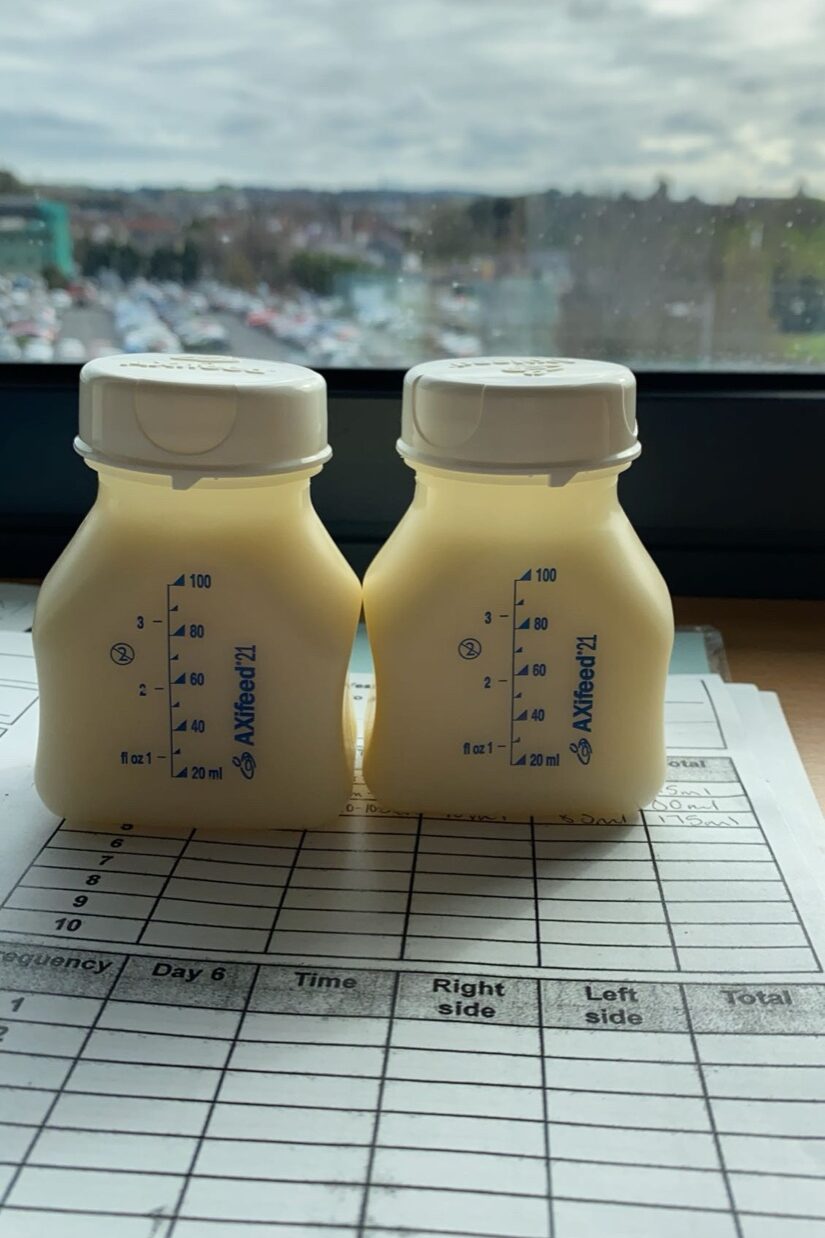
In the beginning I remember every single drop mattered. Feeding quickly became numbers, times, volumes and sides. It wasn’t how I imagined feeding would look, but it was how I fed my baby.
Feeding quickly became numbers, times, volumes and sides
What surprised me most was how little conversation there was around exclusive pumping. I didn’t know anyone else doing it and instead of reassurance, I often heard doubts like:
What if your pump breaks
What if you don’t make enough
Why do you not just switch
But pumping worked for us, my baby thrived and despite the doubts, we just kept going.
Exlusively Pumping Is Double The Work
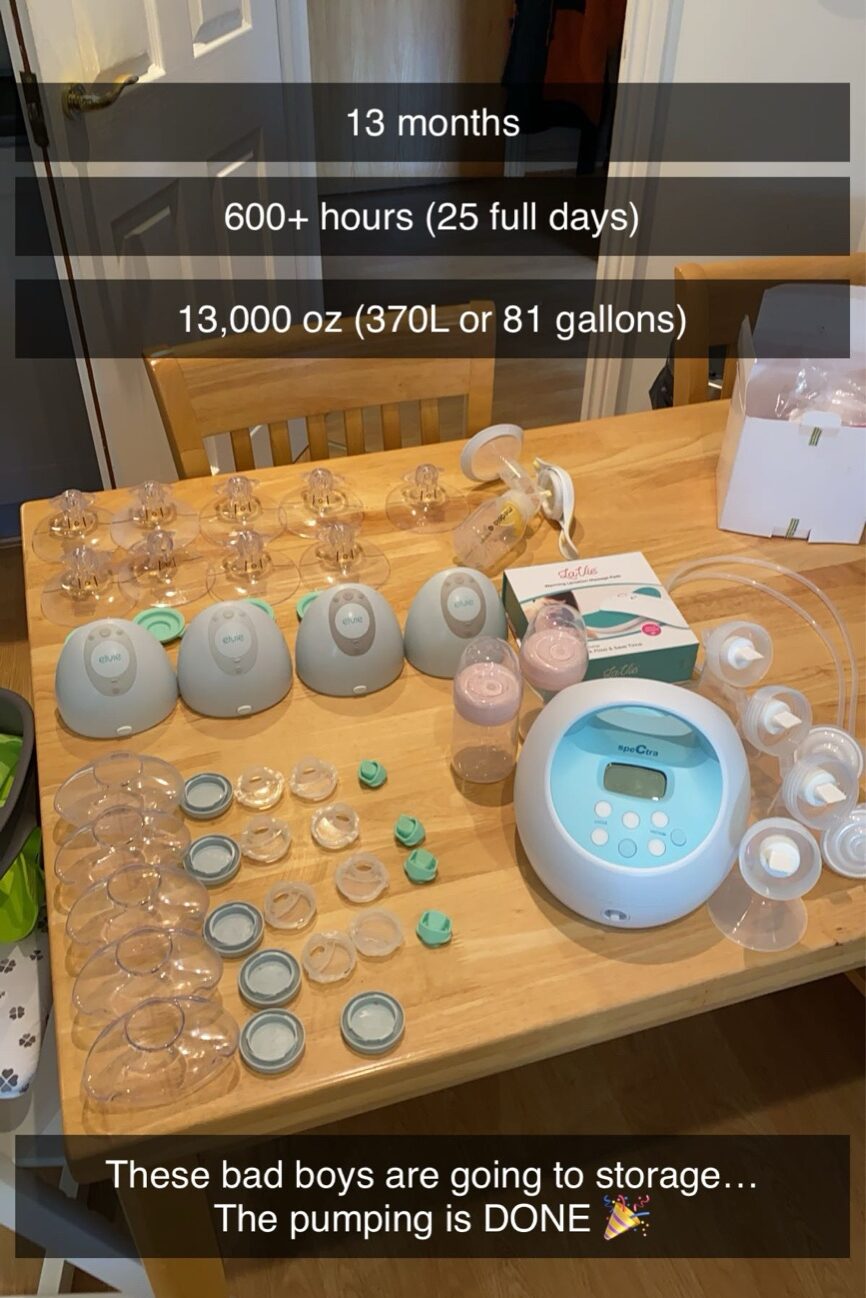
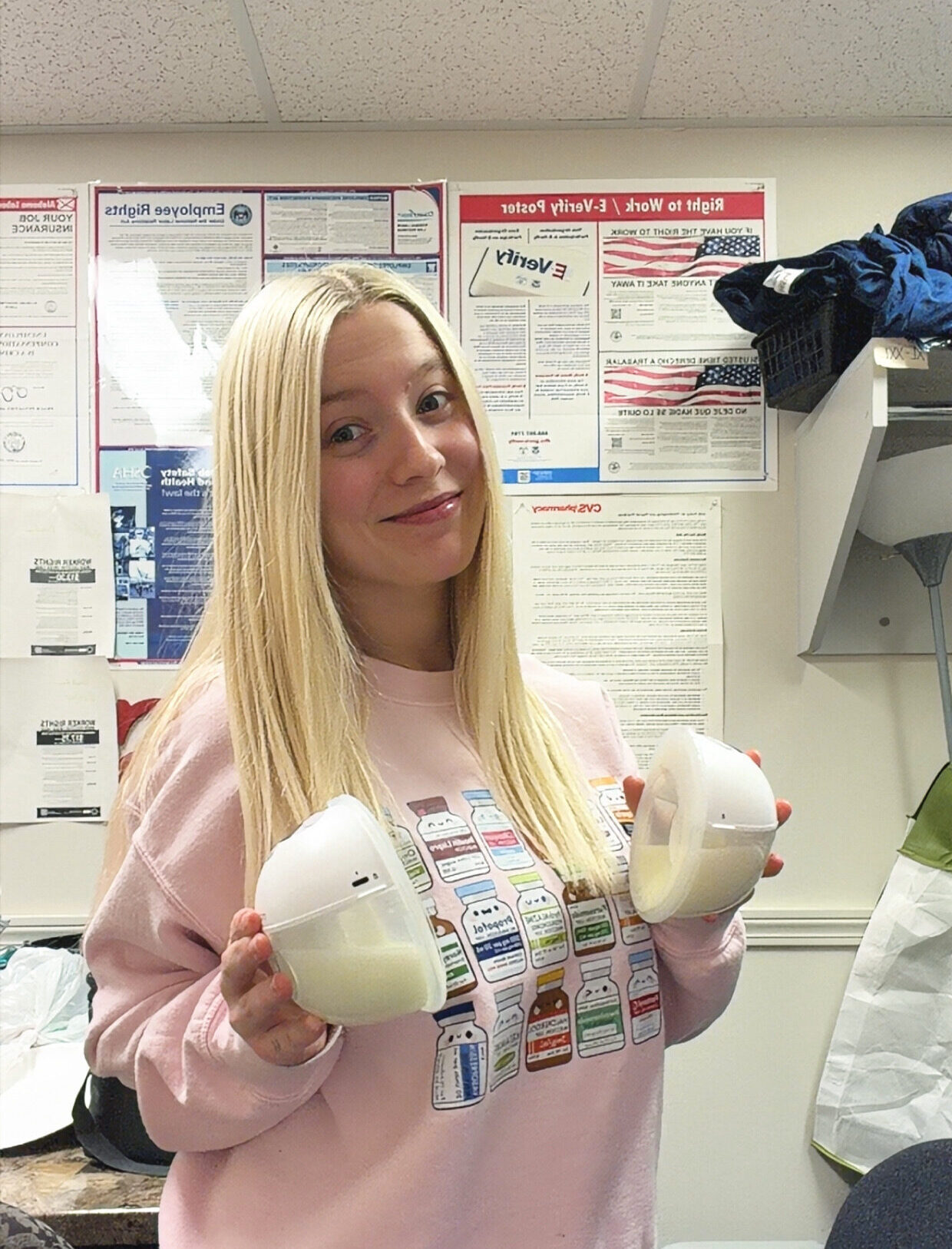
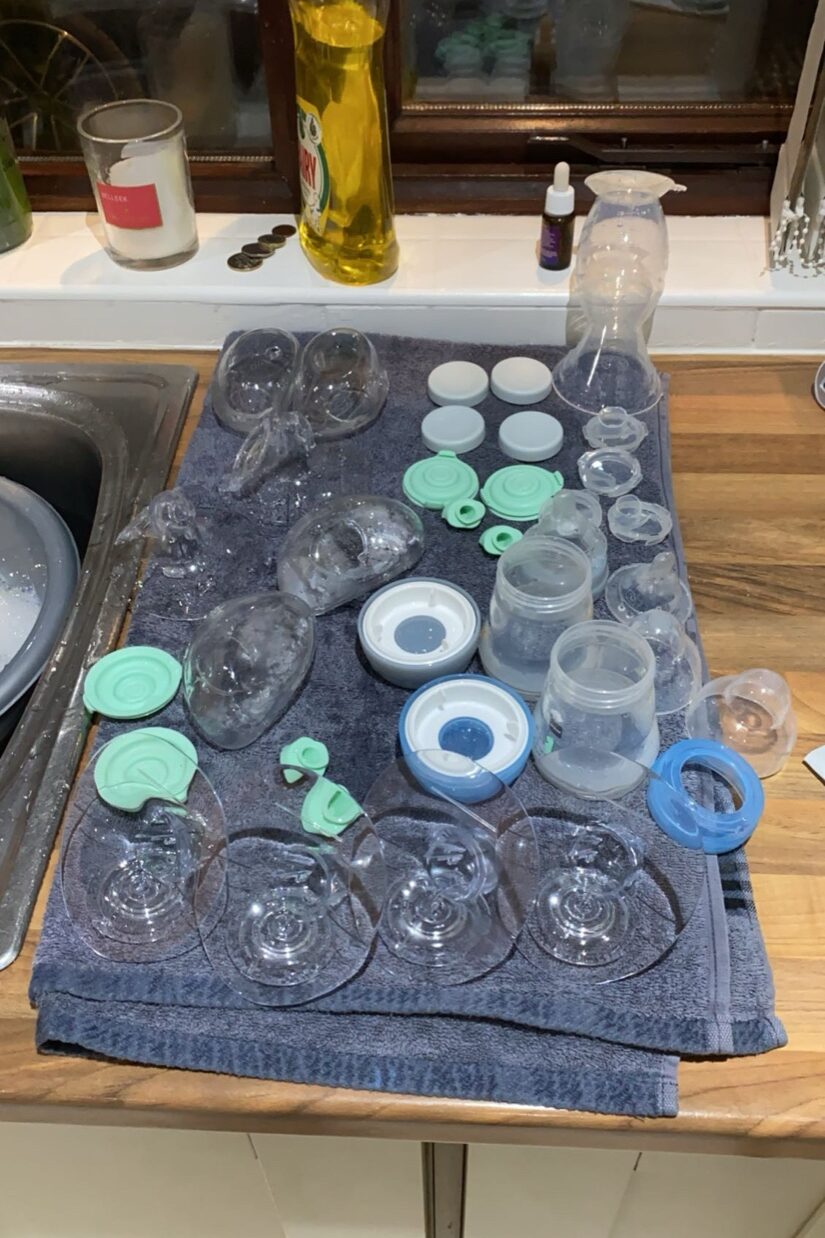
Exclusive pumping is often described as hard, but what people do not always see is that it is double the work. You are pumping and feeding and washing and sterilising on repeat. Night pumps mattered too so there was no break. The hum of the pump became constant and yes, it still gives me a bit of PTSD when I hear it now.
No matter where I went with or without my baby I HAD to pump. Hotel stays meant bringing a mini fridge just for milk. Ice packs and cooler bags lived in the car and sterilising on the go became second nature. I was even pumping at my own wedding.
Ice packs and cooler bags lived in the car and sterilising on the go became second nature. I was even pumping at my own wedding.
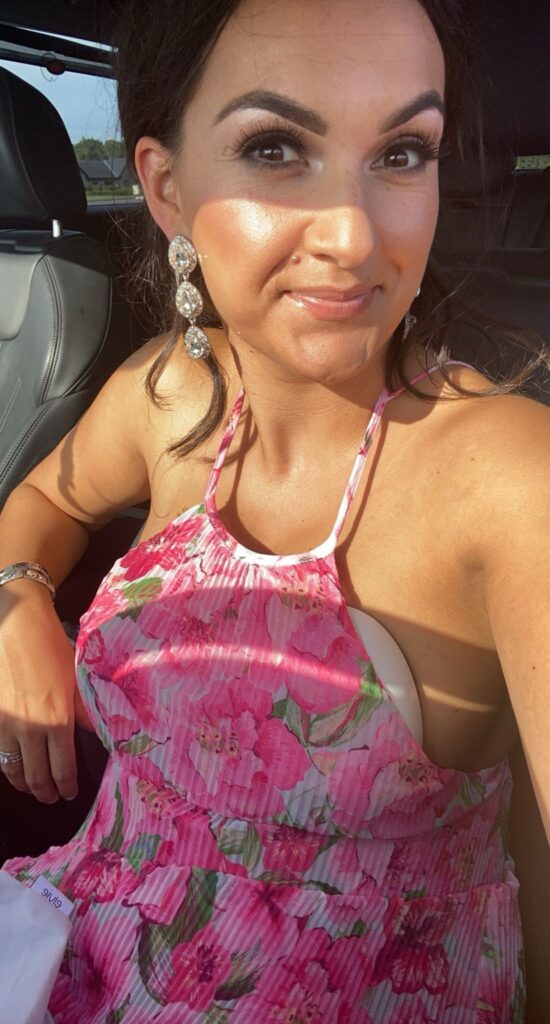
Hands-Free Pumping Was A Big Part of My Journey
Hands free pumps became part of my journey, but they aren’t ideal as a main pump in the early days. Establishing supply usually needs a hospital grade or primary pump first. This is just my experience, not a recommendation.
Looking back now, I think the lack of support and how invisible pumping felt is why I later fundraised to donate hands free pumps to the NICU. Not because pumping is easy or glamorous, but because I knew how much time it can take away from being with your baby. If something could give those mummy’s even a little bit of that time back, it felt worth it.
I never planned to exclusively pump for 13 months – it was not a goal or a badge of honour. It just happened and one day turned into the next.
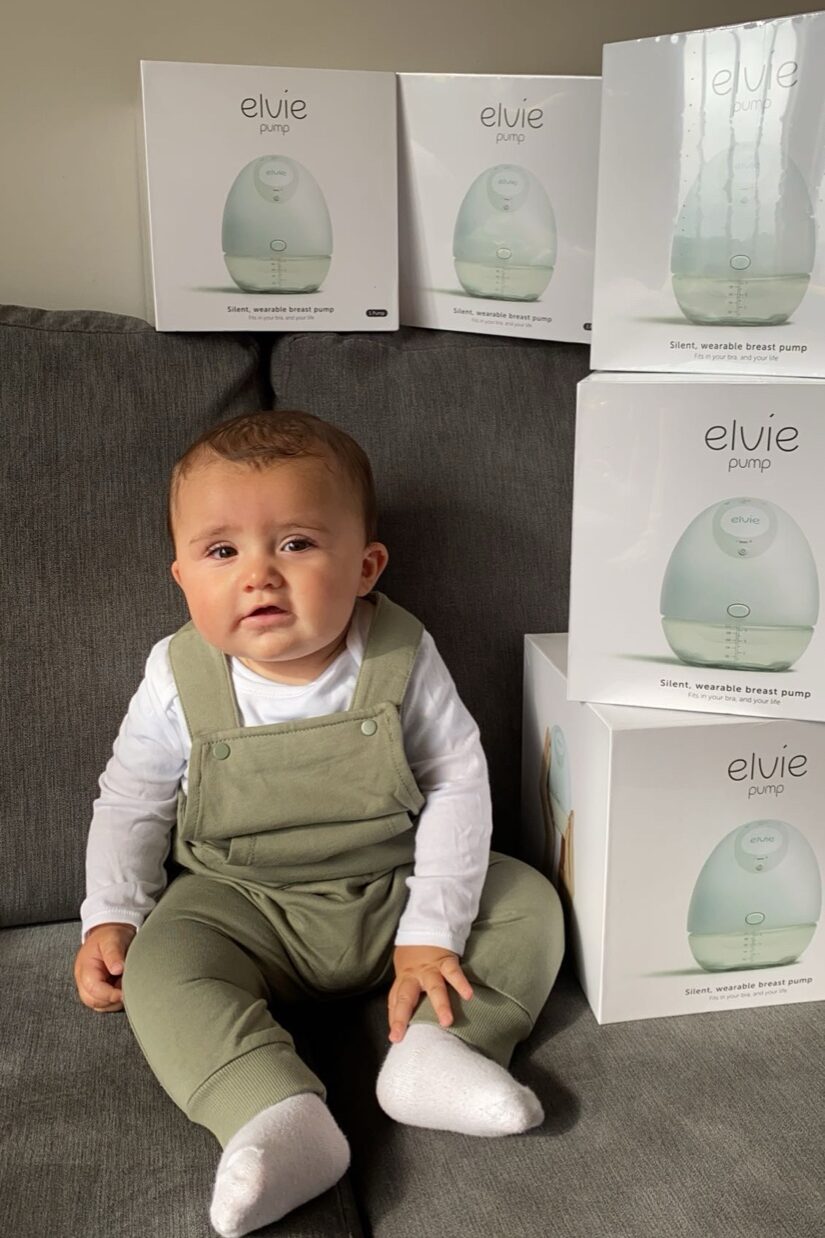
Pumping Often Happens Behind Closed Doors
What stands out most now is how invisible pumping can feel. It is quiet work, often done behind closed doors, with very little recognition, especially here. But it is feeding, it is breastfeeding.
What stands out most now is how invisible pumping can feel.
I now know some of the infant feeding team personally, and they are absolutely amazing. The support available now is so much stronger, and I am really glad future families will benefit from that.
Our journey started in NICU, with a feeding tube and a pump, and it carried us through 13 months. It was not the plan, but it was our story.