




Breast pumping is often talked about as a backup plan – something you do if breastfeeding doesn’t go to plan.
But for many parents, pumping is breastfeeding. It’s how milk is established, maintained, shared, protected and sustained – often alongside work, separation, NICU stays, latch challenges or personal choice.
To mark World Breast Pumping Day, we asked Boobingit’s trusted lactation professionals and infant feeding specialists one simple question:
What do you wish parents knew about pumping?
Their answers were honest, practical, and grounded in years of clinical experience.

1. Don’t Rush Into Buying a Pump
“If you think that pumping is going to be part of your breastfeeding journey, don’t rush into making a decision about buying a pump. Different pumps do different jobs. Read reviews. Take your time. What pops up on your social media may not be the right pump for you.
Lactation consultants and breastfeeding supporters are really happy to talk to you about your options. You can buy a pump once baby is here depending on what’s going on.” Emma Pickett, IBCLC
“If you think that pumping is going to be part of your breastfeeding journey, don’t rush into making a decision about buying a pump.” — Emma Pickett, IBCLC

2. Flange Fit Can Change Everything
“Flange Fit matters! Did you know? The most common correctly fitted flange size is between 15 and 17mm!
When choosing a pump one of the most important aspects is to ensure you have the correct flange size. Newer research has shown that most will find the most milk sprays, comfort and milk removal with a size and shape that fits their nipple tip. You can check out the fabulous ‘Flange FITS™ Guide’ to learn more about this groundbreaking research.
Flanges are like shoes, a size 5 trainer and size 5 high heel likely will not fit the same. When you are needing or wanting to pump, and especially if you need to increase your milk production, look for someone who has had additional training and can trial a huge array of sizes and shapes to find the ‘one’ that works for you!
As Infant Feeding Specialists we at Bump Boobs Babi offer pump fit consults for this very reason. Our clients find, with the right flange and pump, they can pump more milk, in less time, all whilst having no pain, discomfort or nipple/areola swelling.
Remember, your nipples matter!” Tors Pearcy IBCLC
“When choosing a pump one of the most important aspects is to ensure you have the correct flange size.” — Tors Pearcy, IBCLC

3. Hand Express Before and After Pumping
“With the mums I help in NICU, I encourage them to hand express before and after pumping. Doing this before pumping helps with the release of oxytocin (the ‘love hormone’) and enables a letdown, thereby reducing time spent pumping. Hand expressing after pumping allows mums to get to know her breasts – working her way all around her breast tissue (especially if she has larger breast) working all the way up towards her armpit and chest to get those last few MLS of milk.
I also suggest mums cover the pump bottle with a sock. This helps reduce stress levels as she’s not counting the drops and feeling tense. Instead she can focus on hands-on pumping, listening to music, looking at baby.” Servet, NHS NICU Breastfeeding Lead
“With the mums I help in NICU, I encourage them to hand express before and after pumping.” — Servet, NHS NICU Breastfeeding Lead
4. Ways To Increase Milk Production
“Not all pumps are equal! If your baby is not latching, you are separated from them or baby isn’t feeding well and you are having to do a lot of top ups, then using a hospital grade double pump will get you more milk more easily. Wearables, on the other hand, are not designed for this sort of pumping.
I would also add that frequency is key to establishing and increasing milk production. Most people find they need to pump at least 8 times in 24 hours to see milk yield increase. Everyone has a unique “magic number” of pumping sessions they need to do in order to maintain 24 hour milk yield. This varies from one person to the next. To increase supply you would add an extra session in to each 24 hours. To decrease production then you can drop a pumping session.” Kathryn Stagg, IBCLC
“Most people find they need to pump at least 8 times in 24 hours to see milk yield increase.” — Kathryn Stagg, IBCLC

5. You Don’t Need a Freezer Full of Milk
“There’s a lot of pressure around building a freezer stash, often making parents feel like they’re failing if their freezer isn’t full of milk. The truth is, a large freezer stash is not a requirement for successful feeding, and in many cases, it’s not even helpful.
Having milk in constant circulation: pumping and using it fresh often works better for both supply and mental wellbeing. Oversupplying to build a stash can lead to exhaustion, stress, engorgement, and even recurrent blockages or mastitis. For many parents, chasing a freezer stash creates more problems than security.
A small buffer is plenty for most situations. Feeding your baby day to day is enough. You are not “behind” if your milk goes straight from pump to baby.” Vivien David-Makai, Certified Breastfeeding Specialist
“For many parents, chasing a freezer stash creates more problems than security.” — Vivien David Makai, Certified Breastfeeding Specialist
6. Create A Sustainable Pumping Journey
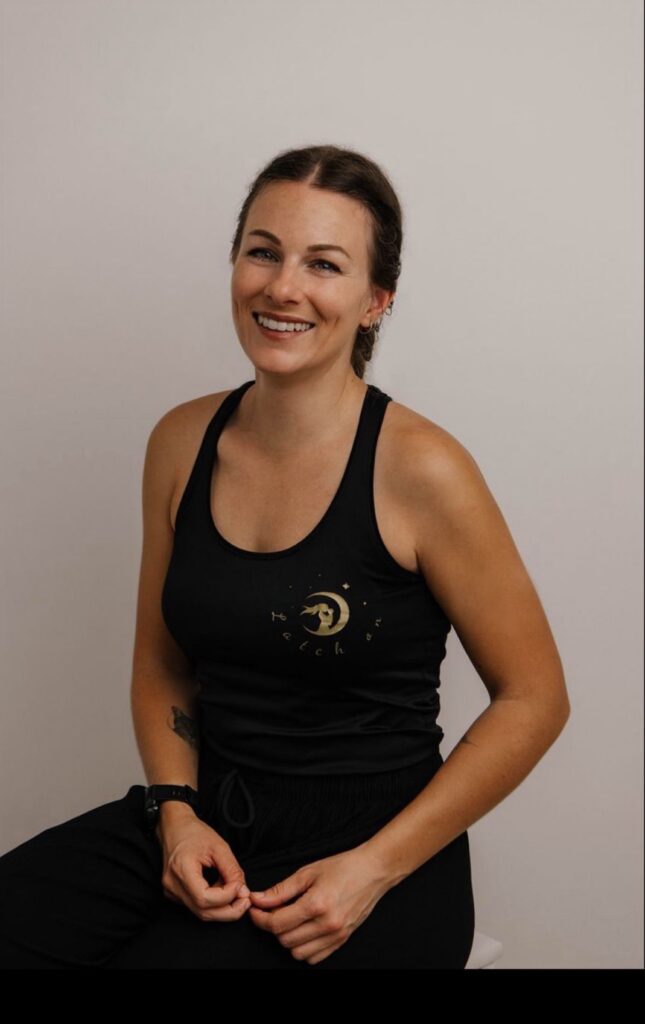
“My wish for parents is that they can work together to create a sustainable pumping journey. Often mothers feel alone with breastfeeding but that does not need to be the case.
My advice to mothers is to resist the urge to do it all, to learn their local resources and lean on them and give themselves grace when it feels overwhelming.” Emily Trenholm, Certified Lactation Counselor
“My wish for parents is that they can work together to create a sustainable pumping journey.” — Emily Trenholm, Certified Lactation Counselor

Pumping Deserves Better Understanding
Pumping is skilled, demanding and often invisible work.
On World Breast Pumping Day, we’re reminding parents that:
- pumping is breastfeeding
- support should be accessible
- comfort matters
- myths cause harm
- informed choices change outcomes
And that no one should have to figure it out alone.
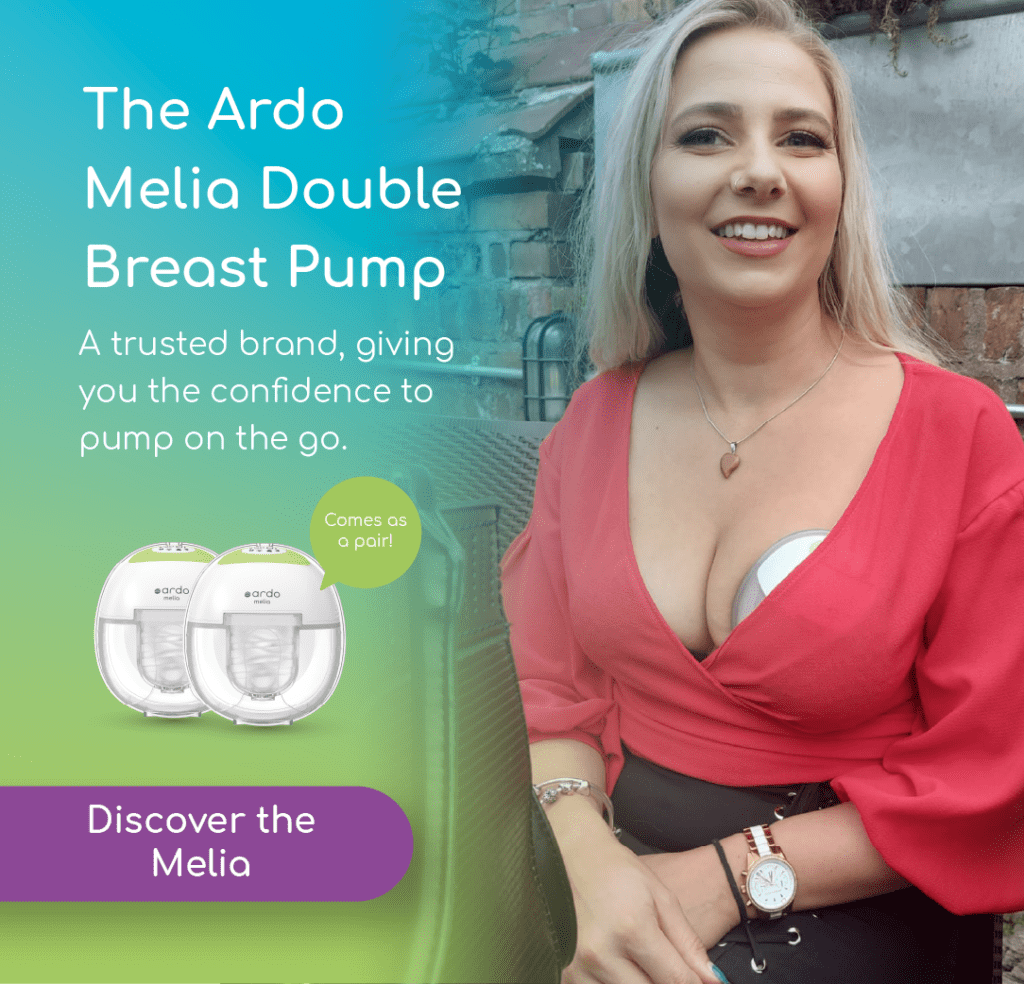
This article is sponsored by Ardo, who support parents through award-winning and WHO Code Complaint pumping solutions.