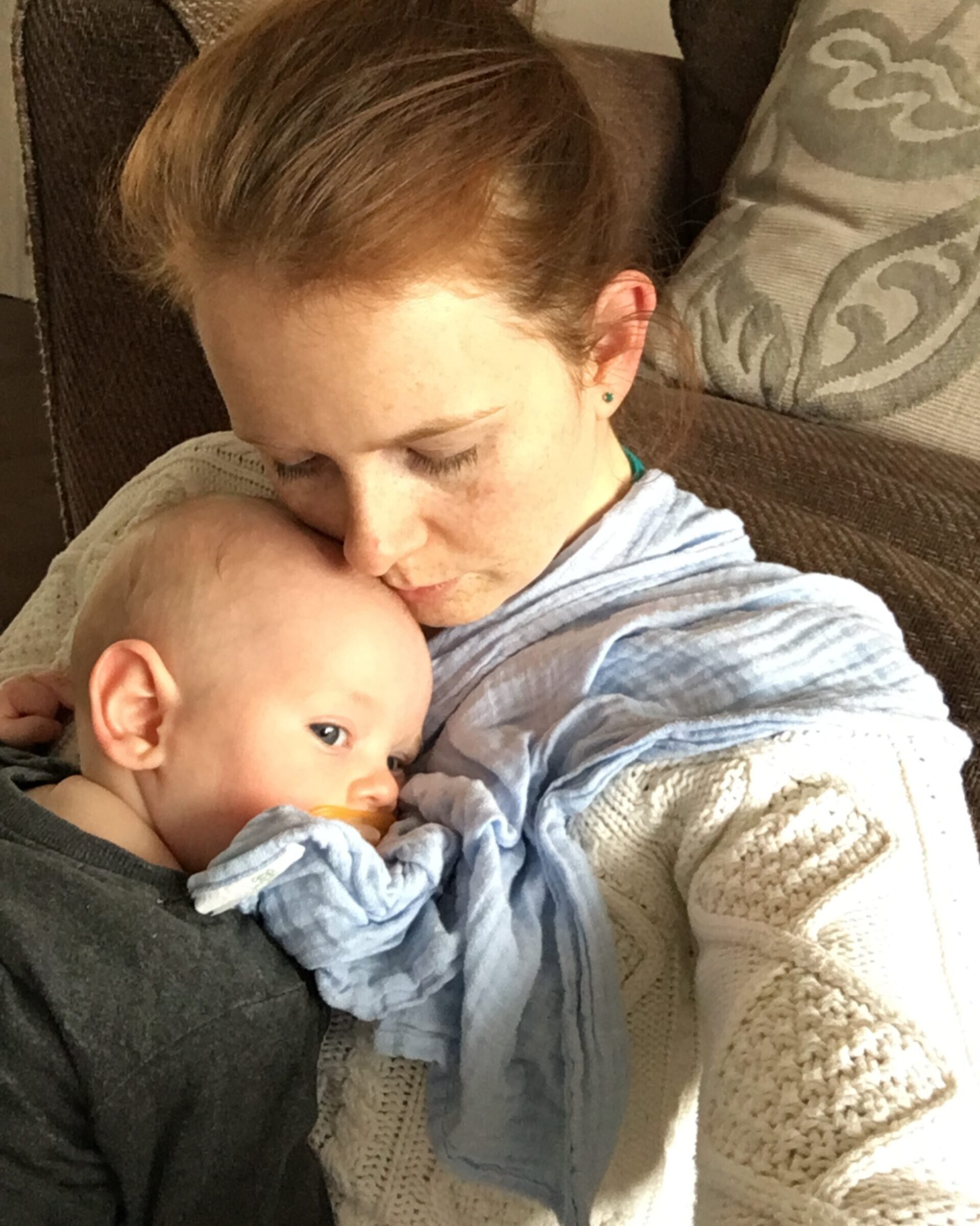



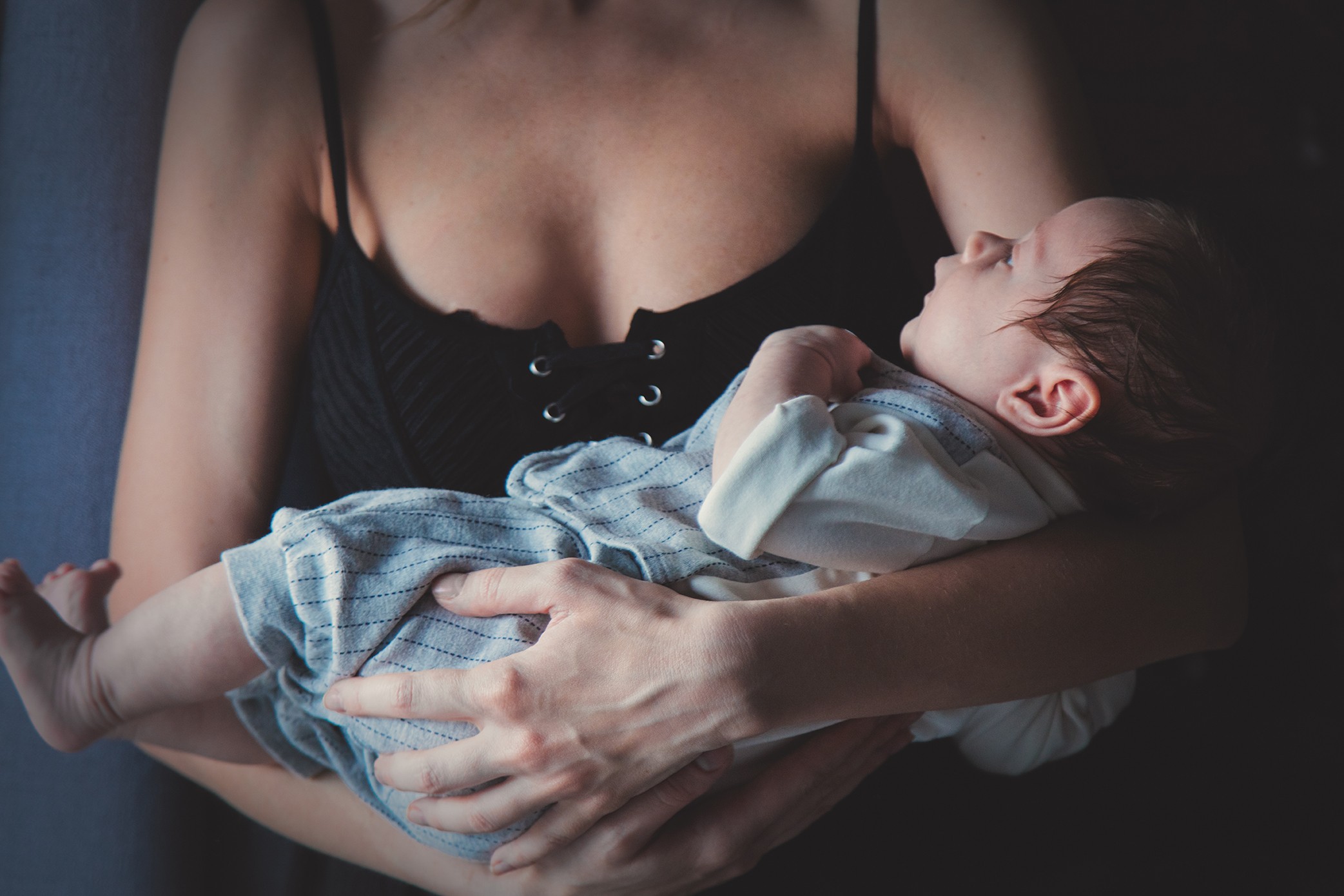

I saw a clip the other day from Kylie Kelce’s “Not Gonna Lie” podcast, discussing her breastfeeding journey. In response to a video of a toddler who had chewed through a milkshake straw, Kylie explained that her fear of being bitten was the reason she chose to end breastfeeding once her children cut their first teeth.
The clip initially left me confused, and then disappointed, not because of her personal choice, but because of how easily misinformation can be presented as fact when shared by someone with a large platform.
Before going any further, I want to be clear that breastfeeding is deeply personal. It must always be consensual, and it should last only as long as both parent and child are comfortable and happy. There is no “right” length of time. Ending breastfeeding is a valid choice at any stage. However, there is an important distinction between sharing a personal experience and unintentionally reinforcing myths that can shape other people’s decisions.
Does A Child Having Teeth Make Breastfeeding More Dangerous?
Misinformation around breastfeeding can be incredibly damaging. It can influence someone to stop earlier than they might otherwise choose, or prevent them from starting at all.
This brings me to the misinformation embedded in this clip. Does a child having teeth make breastfeeding more dangerous? Does it automatically mean biting is inevitable? These fears are common, particularly among new parents, but they are rooted in misunderstanding rather than evidence. When such ideas are shared without context or clarification, especially on large platforms, they can quickly become accepted as truth.
What The Research Shows
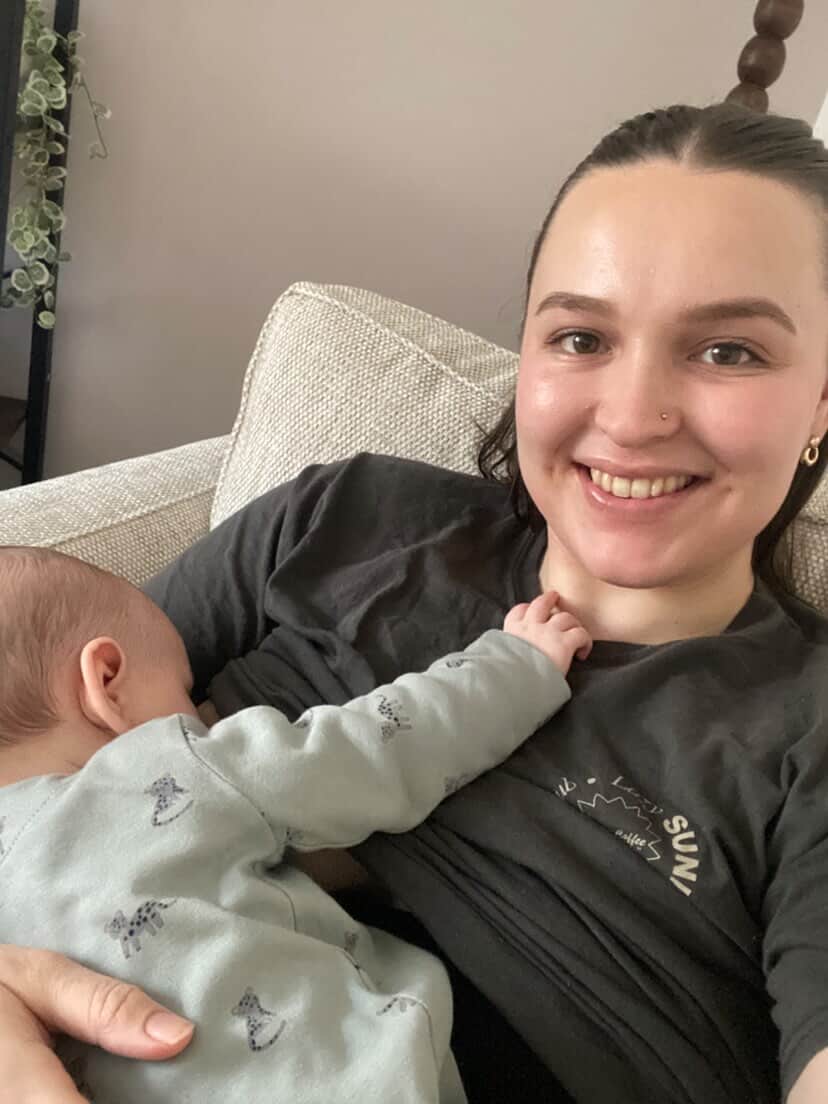
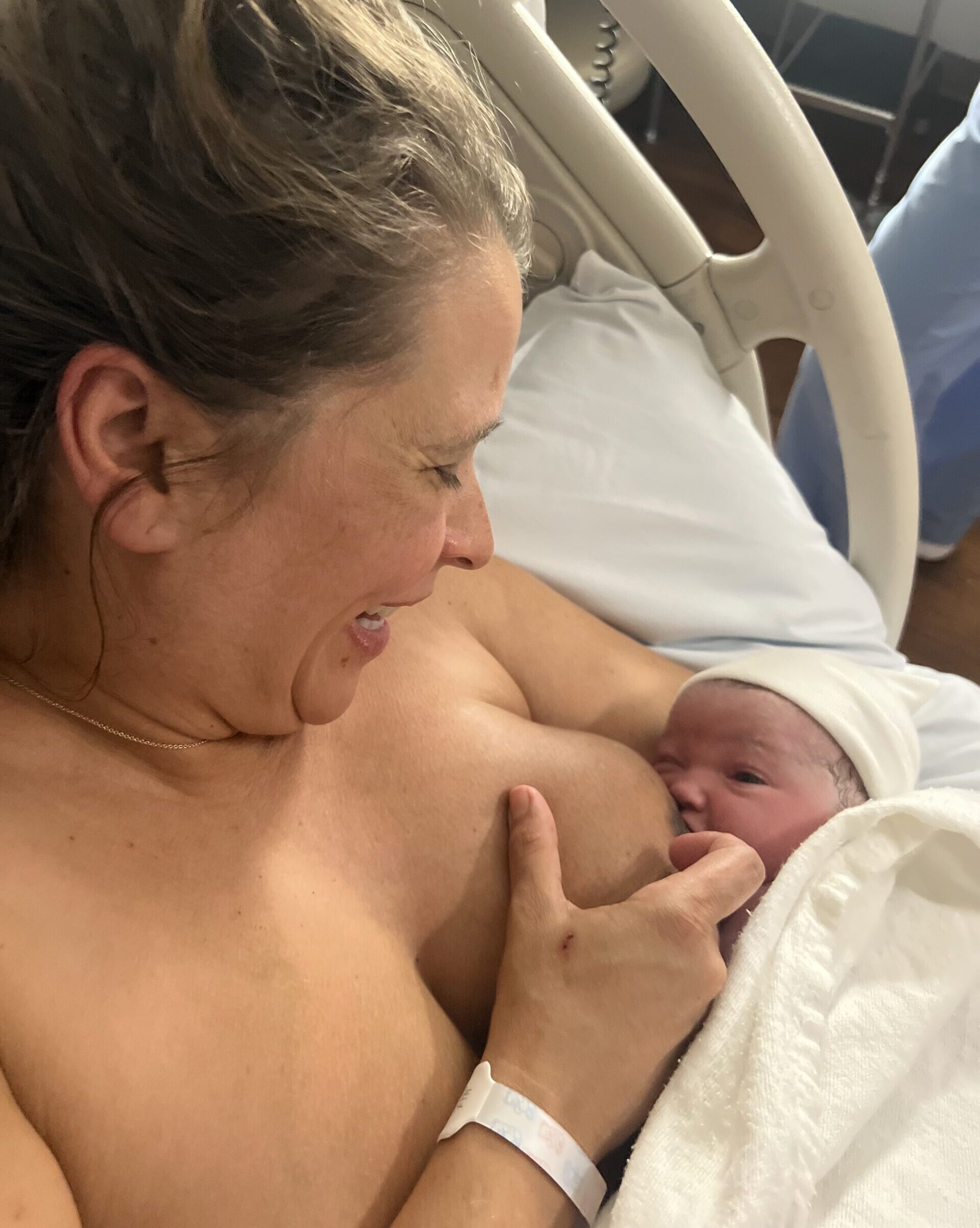
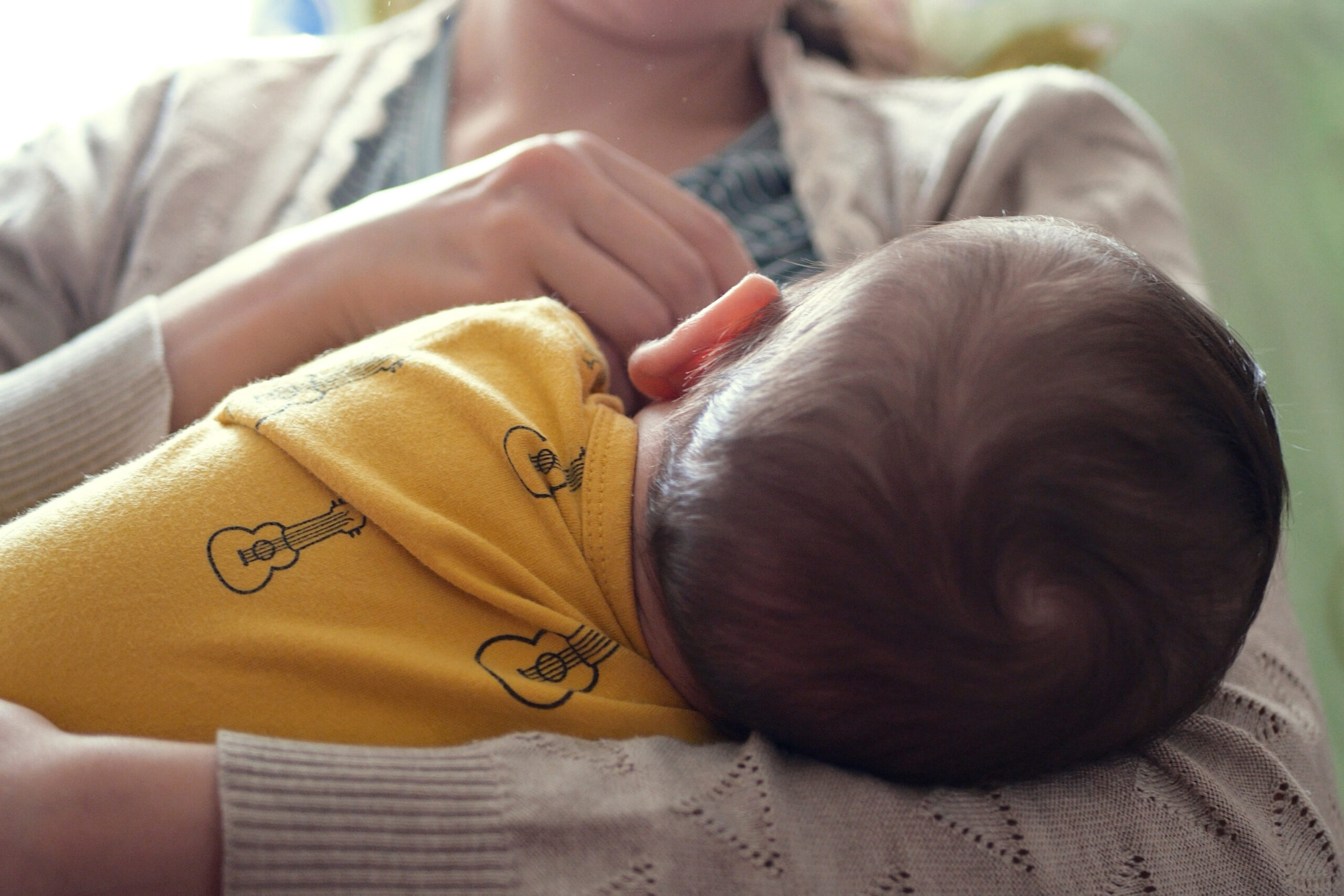
Research and guidance from the World Health Organisation consistently show that biting is a common and usually short-lived phase in breastfeeding. NHS and UNICEF UK Baby Friendly Initiative guidance echo this. Crucially, a baby cannot bite while actively suckling. When latched effectively, the tongue sits over the lower gum, protecting the breast. Biting tends to occur when a baby is not fully engaged in feeding, such as at the beginning or end of a feed, during a pause, or when their attention drifts.
There are many ordinary and developmentally normal reasons why biting may occur. Teething discomfort is a frequent culprit, as pressure can ease sore gums. Some babies bite out of frustration if milk flow is slower than expected. Older babies may do so when distracted, bored, or simply finished feeding. In some cases, biting can be a bid for attention, a way of eliciting a reaction. Positioning also plays a role, as a shallow latch or a tucked chin can increase the likelihood of gumming or biting. None of these reasons indicates failure, danger, or the need to wean immediately.
Importantly, these moments are not signs that breastfeeding must come to an end. They are signals, often fleeting ones, that a baby’s needs or circumstances have shifted. With calm, informed responses and appropriate support, most parents find that this phase passes quickly. This reinforces the point that teeth alone are not a reason breastfeeding becomes unsafe or unmanageable.
The Spreading of Misinformation on a Large-Scale Platform
What disappointed me most, however, was the context in which this misinformation was shared. Kylie Kelce and her husband, Jason Kelce, a former NFL centre for the Philadelphia Eagles, have an estimated net worth of $50 million. They undoubtedly have access to highly qualified medical professionals and specialist lactation support. Given this level of access, it is perplexing that such misinformation exists within their sphere at all. More troubling is that it was broadcast to an audience of over a million people, many of whom may not have the financial means, time, or confidence to seek private lactation care to counter what they have heard.
For parents already navigating exhaustion, pain, self-doubt, and social pressure, fear-based narratives can be powerful. When biting is framed as inevitable or dangerous, it can heighten anxiety and push parents towards weaning before they are ready. This disproportionately affects those who already face barriers to breastfeeding support.
When biting is framed as inevitable or dangerous, it can heighten anxiety and push parents towards weaning before they are ready.
The Benefits of Breastfeeding Can Be Life-Saving
A 2018 study found that UK parents living in deprived areas were 40 per cent less likely to breastfeed. With this in mind, access to free, evidence-based information is crucial. The benefits of breastfeeding can be life-saving for both mother and child, particularly in terms of reduced infection risk and long-term health outcomes. The idea that misinformation could discourage someone from continuing, or even beginning, their breastfeeding journey is deeply saddening.
This is where the responsibility of influencers becomes important. Sharing personal stories is not inherently harmful, but when those stories are framed without evidence or nuance, they can be interpreted as advice. With large audiences comes influence, and with influence comes an ethical responsibility to avoid reinforcing myths, particularly around health and wellbeing.
With large audiences comes influence, and with influence comes an ethical responsibility to avoid reinforcing myths, particularly around health and wellbeing.
When misinformation is shared by influential voices, the consequences ripple outward. How do we address this? How do we prevent misinformation from shaping deeply personal health decisions? Should there be greater accountability when discussing medical and well-being topics online? Should platforms require clearer boundaries or transparency when health-related experiences are shared?
Reliable Sources for Lactation Help & Support
These are uncomfortable questions, but they are ones we need to start asking. In the meantime, empowering parents to seek evidence-based information and trusted support remains essential.
For those looking for reliable, evidence-based advice, the following professionals are excellent sources:
Dr Sharon Silberstein (@breastfeedingdoctor.uk)
Hannah Croft (@hannahcroftibclc)
Emma Pickett (@emmapickettibclc)
Vivien David-Makai (@latchoneastbourne)