



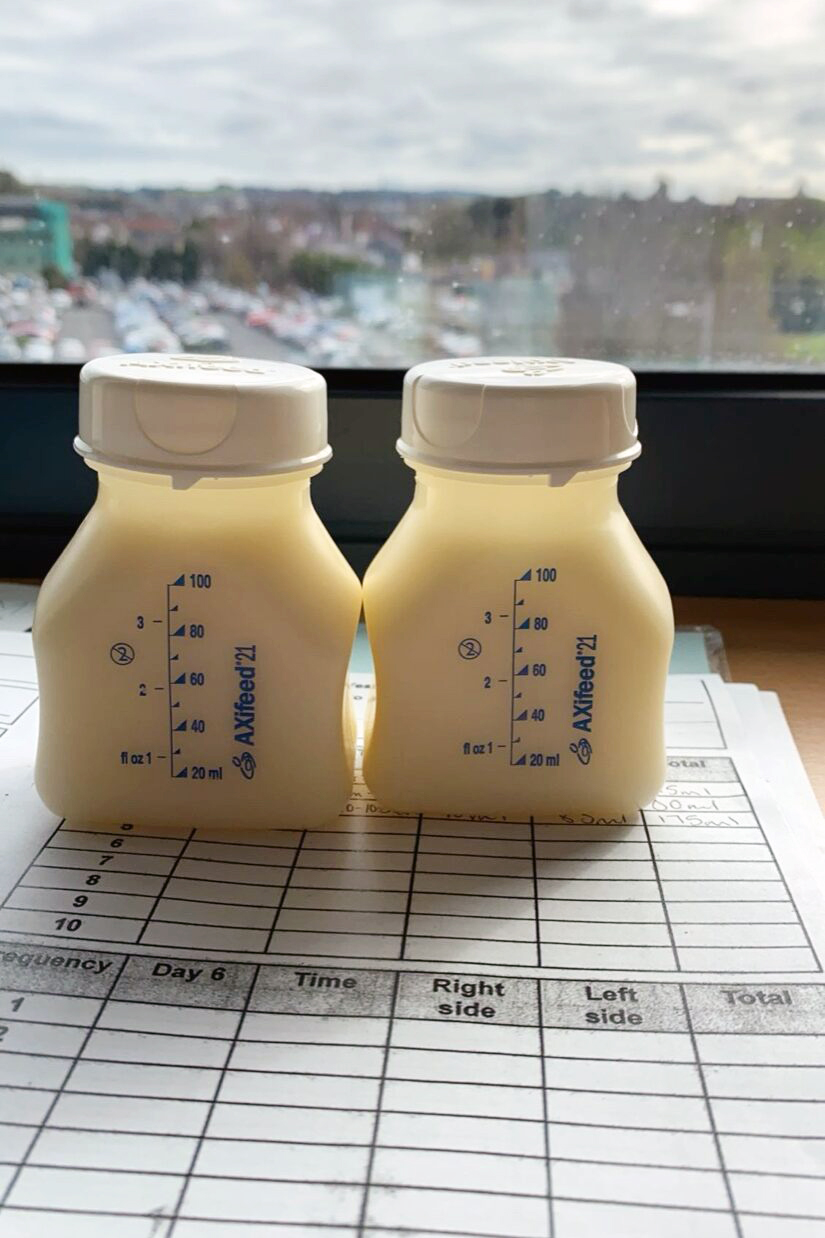

As a mother who pumped for weeks to increase her milk supply, I know firsthand how complicated pumping can be. It can be a deep love-hate relationship. Some days you feel proud and empowered, while other days it feels exhausting and overwhelming.
And yes, sometimes, years later, you can still hear the pump’s rhythm in your ears. If you know, you know.
Be Prepared: 11 Truths About Pumping
After supporting many pumping parents, these are the things I truly wish every client knew from the beginning.

1. Not all pumps are suitable for every body – or every goal.
Breast size, nipple size, breast shape, and elasticity all matter. On top of that, different pumps are designed for different purposes. Manual pumps, single electric pumps, double electric pumps, and hospital-grade pumps each serve different needs. The pump you bought while pregnant may not be the right fit for your situation later on, and that’s not your fault.
2. Brand names and price tags don’t guarantee quality or effectiveness.
An expensive or popular pump isn’t automatically better for your body. What matters most is proper fit, comfort, and how well the pump supports your specific goals. It’s like a good running shoe: the colour and the logo is not as important as a comfortable fit or being waterproof during your rainy Marathon.
What matters most is proper fit, comfort, and how well the pump supports your specific goals.
3. Flange fit and pump parts matter: more than most people realize.
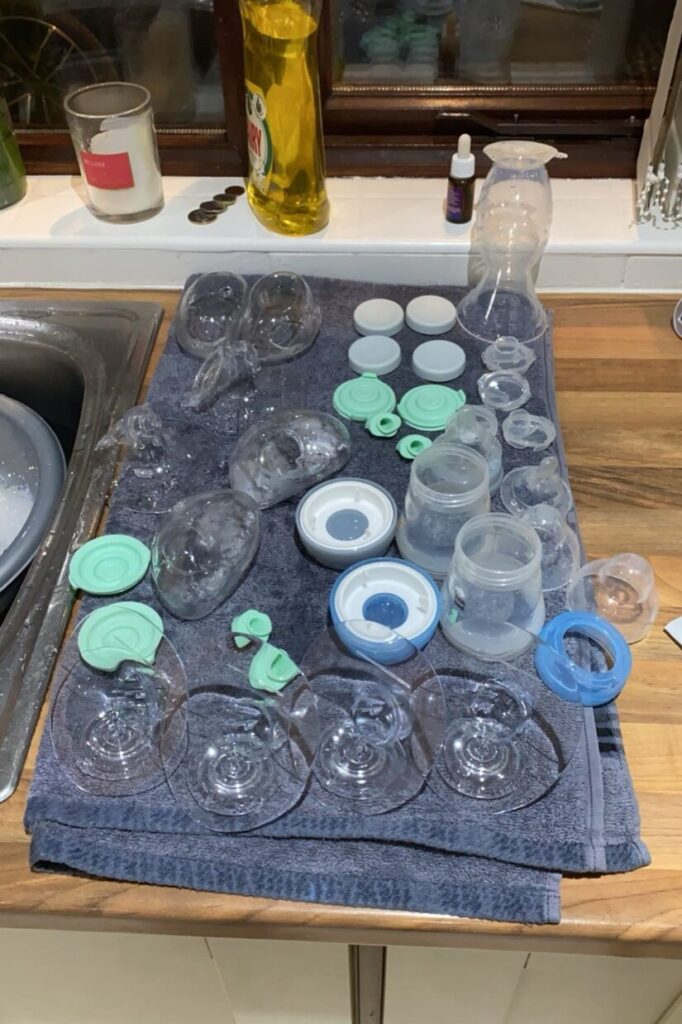
Pump parts need to be replaced regularly. Worn valves, membranes, or tubing can significantly reduce milk output, even if everything else seems “fine.” Poor fit or friction can also cause nipple damage. Flange size can often change after the early weeks, so a re-check can be useful when early days engagement has gone.
4. Nipple crust can happen with pumping, and it’s more common than people realize.
Dried milk, friction, or minor skin breakdown can cause crusting on the nipples, especially with frequent pumping. While it’s often harmless, it’s a sign your nipples may need more protection, better lubrication, or a flange size adjustment.
5. Pain is not normal.
Pumping should not hurt. Ongoing pain, pinching, cracking, or bleeding is a sign something needs to change whether that’s flange size, suction level, pump type, or pumping frequency.
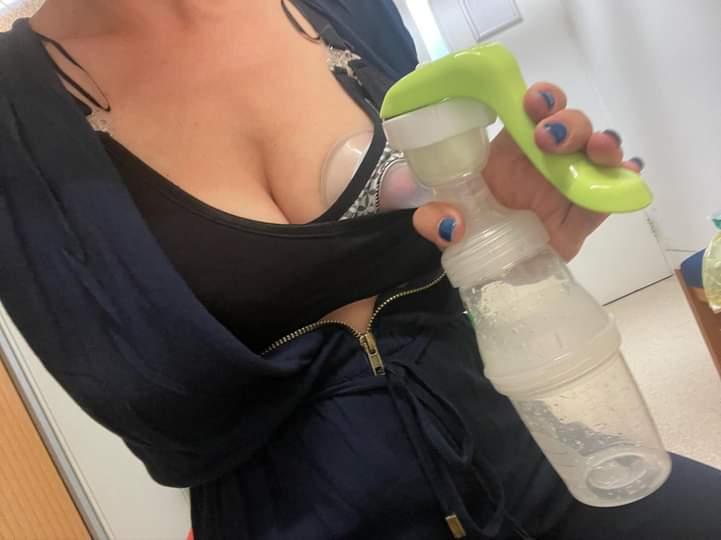
6. More suction or longer sessions don’t necessarily mean more milk.
Cranking up the suction or extending pumping sessions doesn’t automatically increase output. In many cases, comfortable and efficient sessions are far more effective than forcing your body.
Cranking up the suction or extending pumping sessions doesn’t automatically increase output.
7. Milk output naturally fluctuates throughout the day.
It’s completely normal to pump more at certain times and less at others. Hormones, stress, hydration, sleep, and time of day all play a role. One low session does not define your supply. In fact, your pumped volumes don’t define your supply.
8. Always measure milk in a bottle or cup, not a storage bag.
Milk storage bags can be misleading and often show higher volumes, especially if the bag isn’t opened properly. For accurate measurements, use a bottle or measuring cup first, then transfer if needed.
9. Pumping can be harder than breastfeeding: emotionally and mentally.
Pumping often lacks the same sense of connection and bonding that direct breastfeeding provides. It can feel like a chore – isolating, repetitive, and draining. And it’s okay to talk about that. It’s okay to dislike or even hate pumping at times while still loving your baby deeply.
It’s okay to dislike or even hate pumping at times while still loving your baby deeply.
10. You Don’t Need a Freezer Stash to Be “Safe”
There’s a lot of pressure around building a freezer stash, often making parents feel like they’re failing if their freezer isn’t full of milk. The truth is, a large freezer stash is not a requirement for successful feeding, and in many cases, it’s not even helpful.
Having milk in constant circulation: pumping and using it fresh often works better for both supply and mental wellbeing. Oversupplying to build a stash can lead to exhaustion, stress, engorgement, and even recurrent blockages or mastitis. For many parents, chasing a freezer stash creates more problems than security.
A small buffer is plenty for most situations. Feeding your baby day to day is enough. You are not “behind” if your milk goes straight from pump to baby.
11. Oxytocin Matters More Than You Think
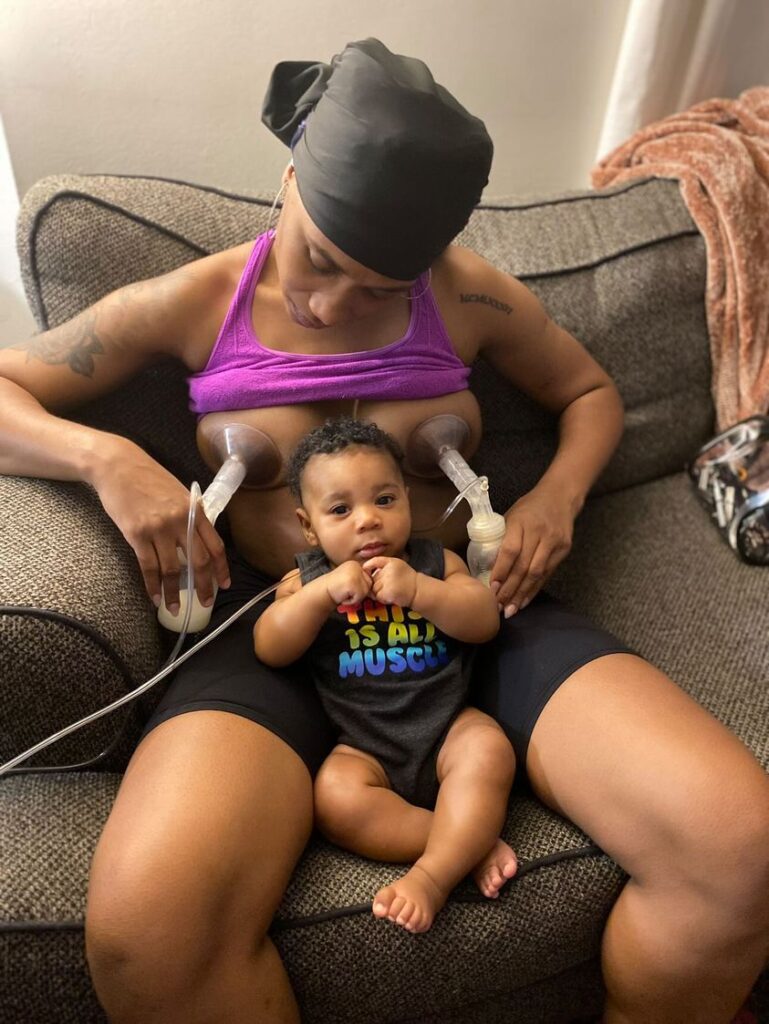
Milk production isn’t just mechanical, it’s hormonal. Oxytocin, often called the “love hormone,” plays a key role in milk let-down and can significantly affect pumping output.
Milk production isn’t just mechanical, it’s hormonal.
That’s why creating emotional comfort while pumping can help. Looking at photos or videos of your baby, holding their clothing, or surrounding yourself with familiar, comforting scents can encourage oxytocin release. Even positive emotional memories, like revisiting photos or videos from your honeymoon or other happy moments can help your body relax and respond more effectively to the pump.
This isn’t about forcing output; it’s about supporting your body. Feeling calm, safe, and emotionally connected can make a real difference and it’s a powerful reminder that pumping isn’t just about the ounces, but about you.
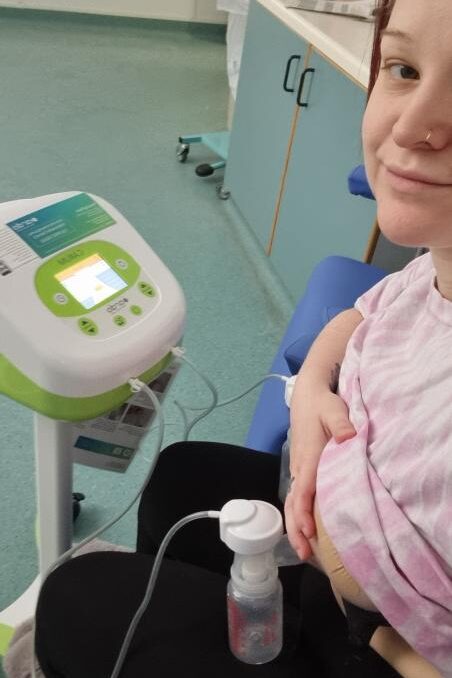
Support can change everything.
Many parents struggle longer than they need to because they don’t know help exists. The right pump, the right setup, and the right guidance could save weeks – or even an entire breastfeeding journey.
And finally: pumping is hard. Physically, mentally, emotionally. It takes time, planning, persistence, and resilience, often taking all of these away from your time with your baby. If you have ever pumped even for a day, a week, or months please be deeply proud of yourself. What you’ve done is amazing.